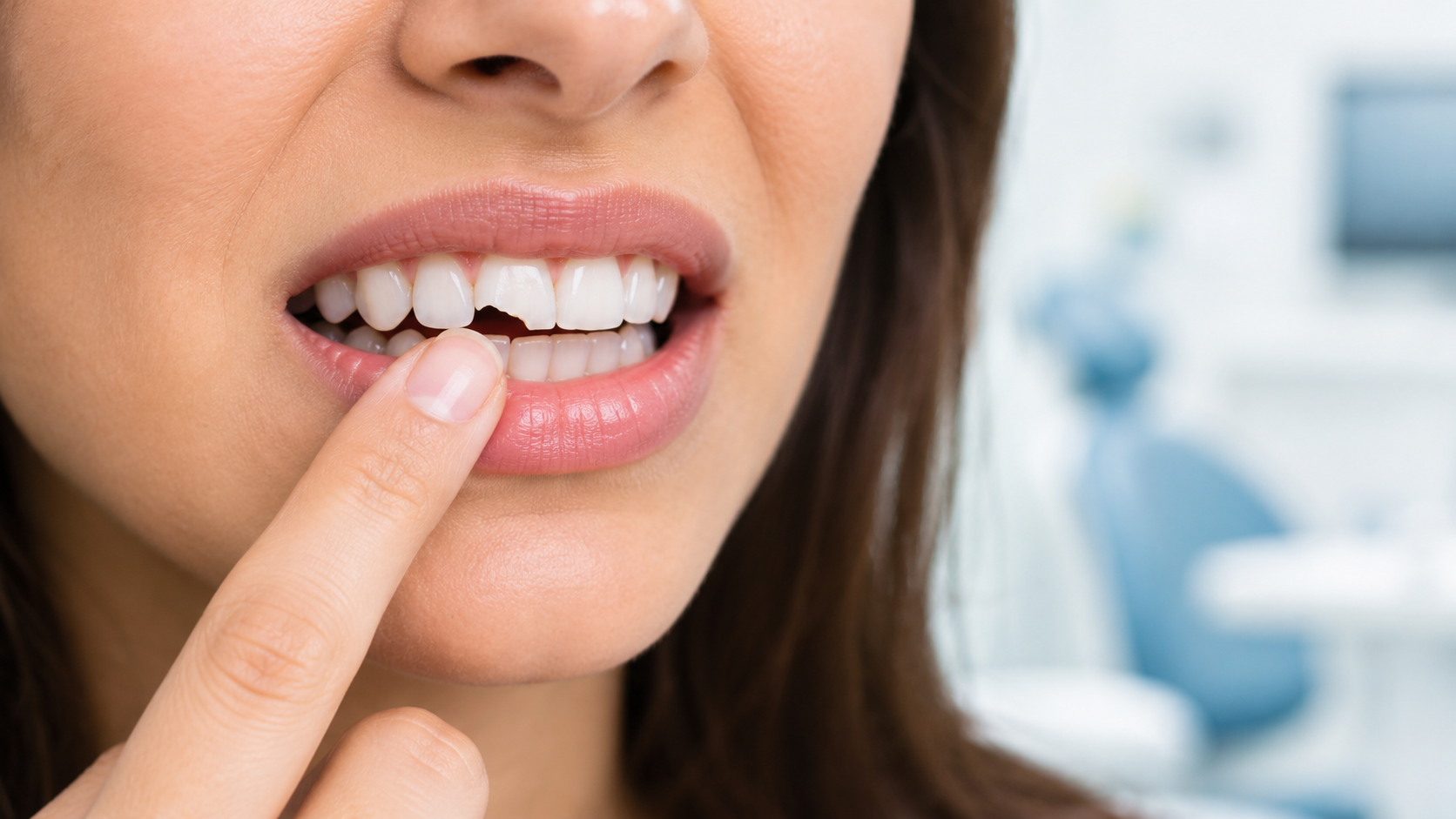
A chipped or broken tooth can happen when you least expect it. You might bite down on something hard, have an accident, or suddenly notice that part of your tooth has broken while eating.
Even if your tooth does not hurt, it is important to have it checked by a dentist. A small chip may only affect the outer part of the tooth, while a larger break or crack can affect deeper parts and may need treatment.
If you are unsure how serious the damage is, it is best to seek emergency dental care as soon as possible.
Is a Chipped or Broken Tooth a Dental Emergency?
Not every chipped tooth is an emergency.
A small chip without pain may not require immediate emergency treatment. However, you should still make a dental appointment so your dentist can check the tooth and make sure there is no hidden damage.
You should seek dental care as soon as possible if you have:
- Severe or ongoing tooth pain
- Pain when biting or chewing
- Sensitivity to hot or cold foods and drinks
- A large piece of your tooth has broken off
- A sharp edge that hurts your tongue or cheek
- Swelling or bleeding
- A visible crack in the tooth
- A loose tooth after an injury
- A broken tooth caused by an accident or injury
A cracked tooth can sometimes cause pain when chewing or sensitivity to hot and cold temperatures. However, symptoms can vary, so a dental examination is important.
What Should You Do After Breaking a Tooth?
If you have just broken or chipped a tooth, there are a few simple things you can do while waiting to see your dentist.
-
Rinse Your Mouth
Gently rinse your mouth with warm water. This can help remove food and debris from around the damaged tooth.
If your face is swollen, you can place a cold compress on the outside of your cheek to help reduce swelling.
-
Keep the Broken Piece
If you can find the piece of tooth that broke off, keep it and bring it with you to your dental appointment.
Place it in a clean container and take it with you when you visit your dentist.
-
Avoid Chewing on That Side
Try to chew on the opposite side of your mouth until your dentist examines the tooth.
Avoid hard, crunchy, or sticky foods because they can put more pressure on the damaged tooth and make the problem worse.
-
Be Careful With Sharp Edges
A broken tooth can leave a sharp edge that can irritate your tongue, cheek, or lips.
Try not to touch the area with your fingers or tongue. A dental professional can determine the best way to repair the damaged tooth.
-
Do Not Put Aspirin Directly on Your Tooth
If your tooth hurts, do not place aspirin directly on the tooth or gum. This can irritate the gum tissue.
Instead, ask your dentist or healthcare professional about safe options for managing your pain.
Why Do Teeth Break or Chip?
There are several reasons why a tooth can become chipped, cracked, or broken.
Biting Hard Foods
Chewing ice, hard candy, or other very hard foods can put extra pressure on your teeth.
Using your teeth to open packages or bite hard objects can also increase the risk of damage.
Accidents and Injuries
A fall, sports injury, car accident, or hit to the face can damage a tooth.
If you play contact sports, wearing a properly fitted mouthguard can help protect your teeth.
Tooth Decay
A tooth weakened by decay may be more likely to break.
Sometimes a tooth seems to break suddenly, but the damage may have been developing for some time.
Large Fillings or Previous Dental Work
Teeth that have large fillings or previous dental treatment may sometimes be more vulnerable to fractures, depending on their condition.
Teeth Grinding
Grinding or clenching your teeth can put repeated pressure on them. Over time, this may contribute to tooth wear or damage.
If you regularly grind or clench your teeth, talk with your dentist about ways to protect your smile.
What Is the Difference Between a Chipped Tooth and a Cracked Tooth?
A chipped tooth usually means that a small piece of the tooth has broken away.
A cracked tooth has a fracture that extends into the tooth. The crack may be small or deeper, depending on the injury.
A small chip may sometimes be repaired with tooth-colored bonding. A deeper crack may require more extensive treatment.
Some cracks may cause pain when chewing or sensitivity to hot and cold, while others may cause few symptoms at first. This is why it can be difficult to know how serious a crack is just by looking at your tooth.
For more information about cracked teeth, visit the American Association of Endodontists.
If you notice a crack or sudden change in your tooth, it is best to have it evaluated by a dentist.
How Is a Broken Tooth Repaired?
The best treatment for a broken tooth depends on how much of the tooth is damaged.
Your dentist will examine the tooth and recommend an appropriate treatment.
Dental Bonding
If you have a small chip, your dentist may be able to repair it with tooth-colored bonding.
This can restore the shape of the tooth and improve its appearance.
Dental Filling
If the damage is limited, a tooth-colored filling may be enough to restore the damaged area.
Dental Crown
If a large part of the tooth is damaged or the tooth has become weak, your dentist may recommend a dental crown.
A crown covers the damaged tooth and helps restore its shape, strength, and function.
Root Canal Treatment
If the damage reaches the soft tissue inside the tooth, you may need root canal treatment.
A root canal removes damaged or infected tissue from inside the tooth. The tooth can then be cleaned, sealed, and restored.
Not every broken tooth needs a root canal. Your dentist will determine whether this treatment is necessary based on the condition of your tooth.
Tooth Extraction
Sometimes a tooth is too badly damaged to repair.
If the tooth cannot be safely restored, your dentist may recommend an extraction. Your dentist can also discuss options for replacing the missing tooth if necessary.
Can a Cracked Tooth Heal on Its Own?
Unfortunately, a cracked tooth cannot heal itself like a broken bone.
Some very small cracks may not need immediate treatment, but deeper cracks can become worse over time.
That is why you should not ignore a cracked tooth, especially if you have pain when chewing or sensitivity to hot or cold.
Getting the tooth checked early may give your dentist a better chance to protect it and prevent further damage.
When Should You See an Emergency Dentist in Ontario, CA?
If you have a broken or cracked tooth along with severe pain, swelling, bleeding, or significant damage, you should seek dental care as soon as possible.
You should also contact a dentist after a serious injury to your mouth or face.
If you are looking for an emergency dentist in Ontario, CA, a dental professional can examine the tooth, determine how serious the damage is, and explain what treatment may be needed.
Vineyard Family Dentistry provides emergency dental care in Ontario, California for dental problems that require prompt attention.
How Can You Prevent a Broken Tooth?
You cannot prevent every dental injury, but a few simple habits can help protect your teeth.
- Avoid chewing ice and very hard foods.
- Do not use your teeth to open packages.
- Wear a mouthguard when playing contact sports.
- Treat cavities before they weaken your teeth.
- Keep up with regular dental checkups.
- Talk to your dentist if you grind or clench your teeth.
- Do not ignore tooth pain or sensitivity.
Taking care of your teeth regularly can help identify problems before they lead to more serious damage.
Frequently Asked Questions Can a small chipped tooth be repaired?
Yes. Depending on the size and location of the chip, your dentist may repair it with bonding, a filling, a crown, or another treatment.
Should I see a dentist if my broken tooth does not hurt?
Yes. A broken tooth does not always cause pain. There may still be damage that needs attention, so it is a good idea to have the tooth examined.
Can a broken tooth be saved?
In many cases, yes. The treatment depends on how much of the tooth is damaged. Some teeth can be repaired with bonding, fillings, or crowns, while severely damaged teeth may need to be removed.
Is a cracked tooth always painful?
No. Some cracked teeth cause pain or sensitivity, while others may have few symptoms at first. Pain when chewing or sensitivity to hot and cold can be signs that a tooth needs to be checked.
What should I do if my tooth breaks at night?
Rinse your mouth gently with warm water and avoid chewing on the damaged side. If you have swelling, use a cold compress on the outside of your face. Contact a dentist as soon as possible, especially if you have severe pain, swelling, bleeding, or significant damage.
Can a dental crown fix a cracked tooth?
A dental crown can sometimes be used to protect and restore a damaged tooth. However, the right treatment depends on the location and severity of the crack. Your dentist should examine the tooth before deciding whether a crown is appropriate.
Need Help With a Chipped or Broken Tooth in Ontario, CA?
A chipped or broken tooth may look like a small problem, but the damage can sometimes be more serious than it appears.
The sooner you have the tooth examined, the sooner you can understand what is wrong and what treatment options are available.
If you have a chipped, cracked, or broken tooth in Ontario, CA, contact Vineyard Family Dentistry to schedule an evaluation.
Our dental team can examine your tooth, explain your options, and help you take the right steps to protect your smile.